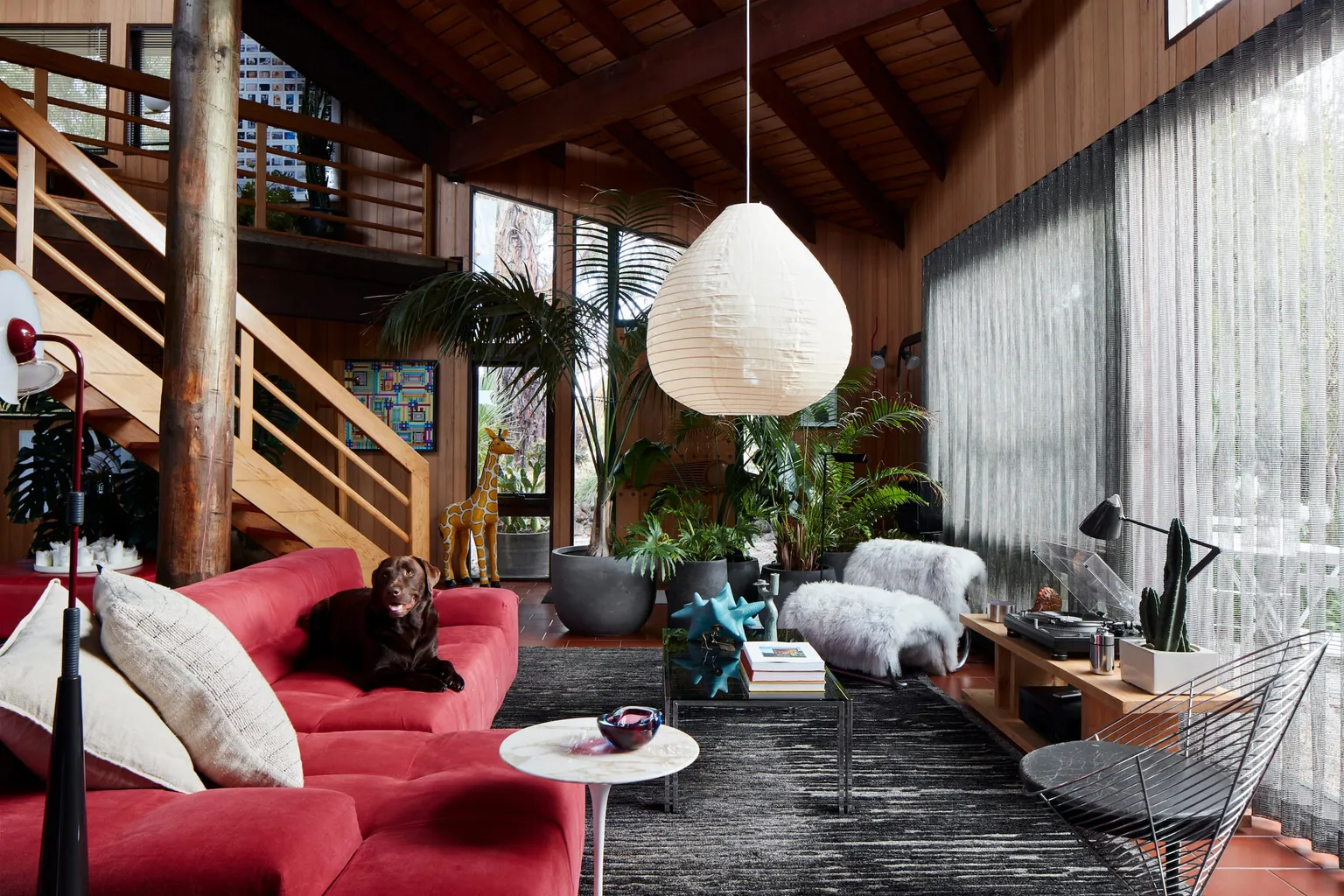
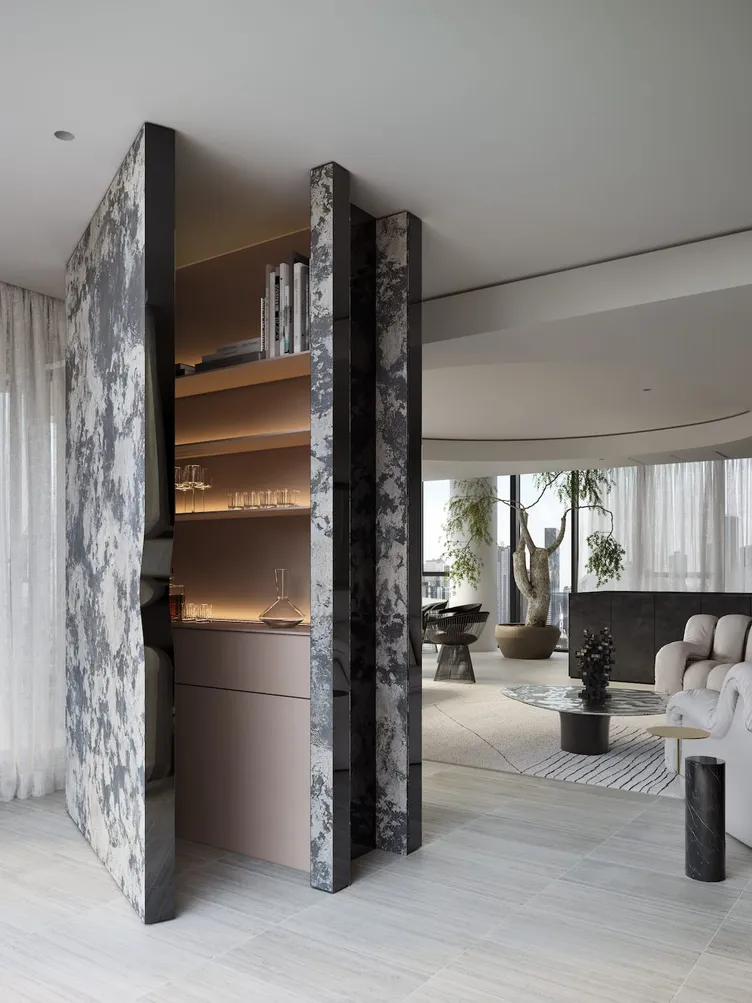
For Studio Terrando, Instagram isn't simply a place to share finished projects. It's an extension of the studio's design philosophy: a carefully curated collection of buildings, objects, furniture and imagery that gives potential clients an understanding of the studio's sensibility before they ever walk through the door.
Based in Byron Bay, Australia, Studio Terrando was founded by Léo Terrando, a French-born interior designer with more than 20 years of experience across Australia and France, including more than 14 years at SJB Interiors. Today, the studio works across high-end residential, commercial and hospitality projects, with a strong focus on hotels and resorts.
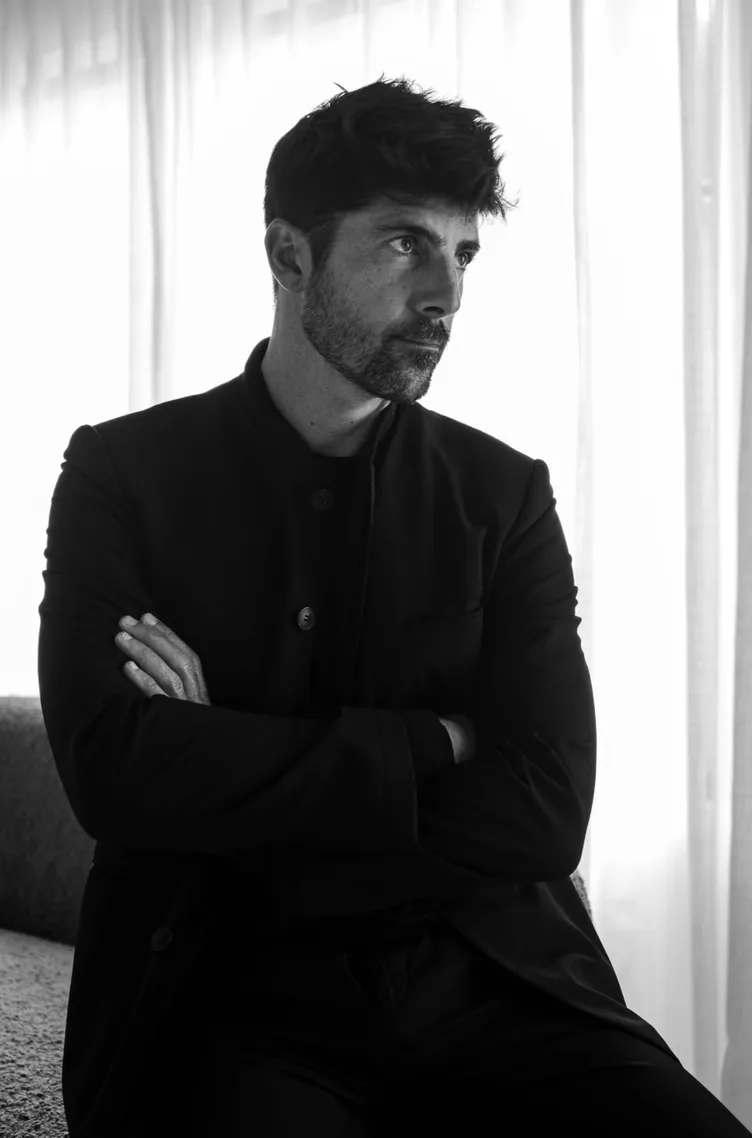
We spoke with Léo about how Pallyy turned the studio's Instagram from a daily interruption into a designed object in its own right.
A portfolio that's always open
For Studio Terrando, social media isn't traditional advertising. Instead, Instagram acts as an always-open portfolio, one that communicates the studio's perspective before a potential client has even seen a project.
“Our Instagram isn't project photography; it's curation.”
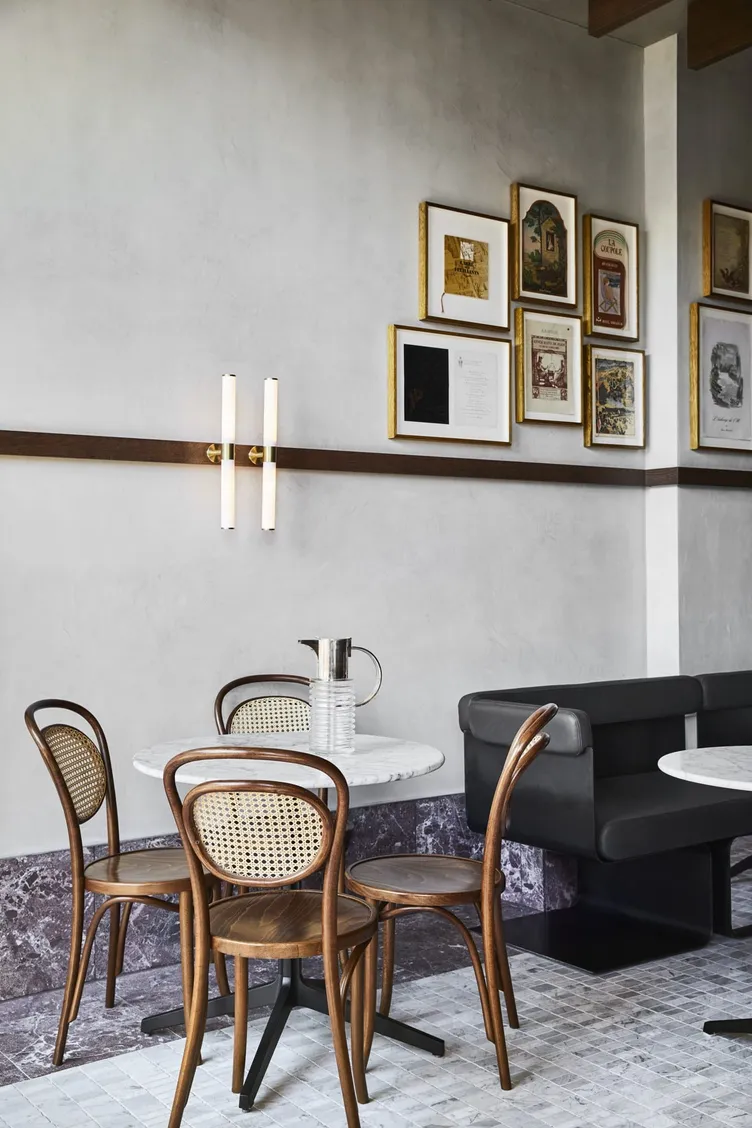
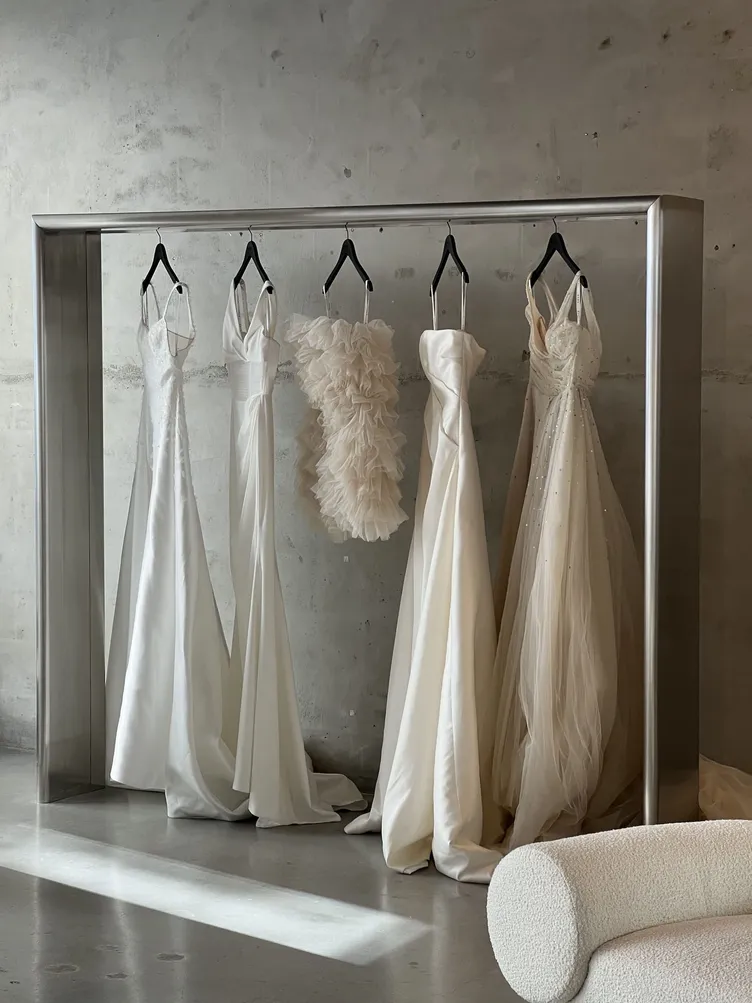
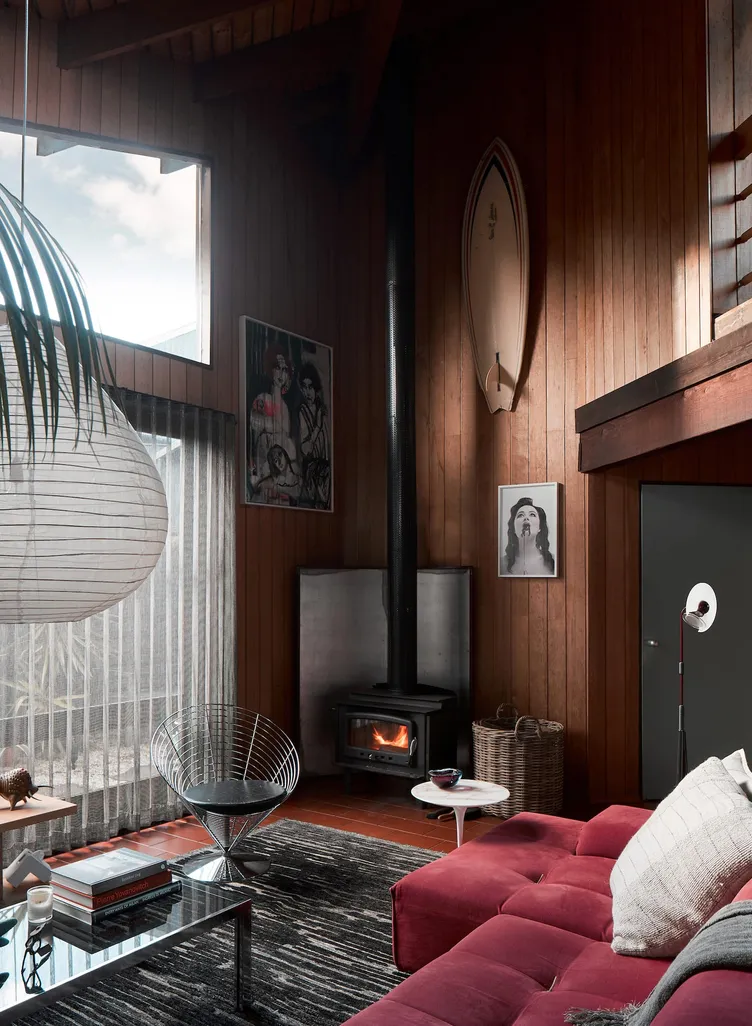
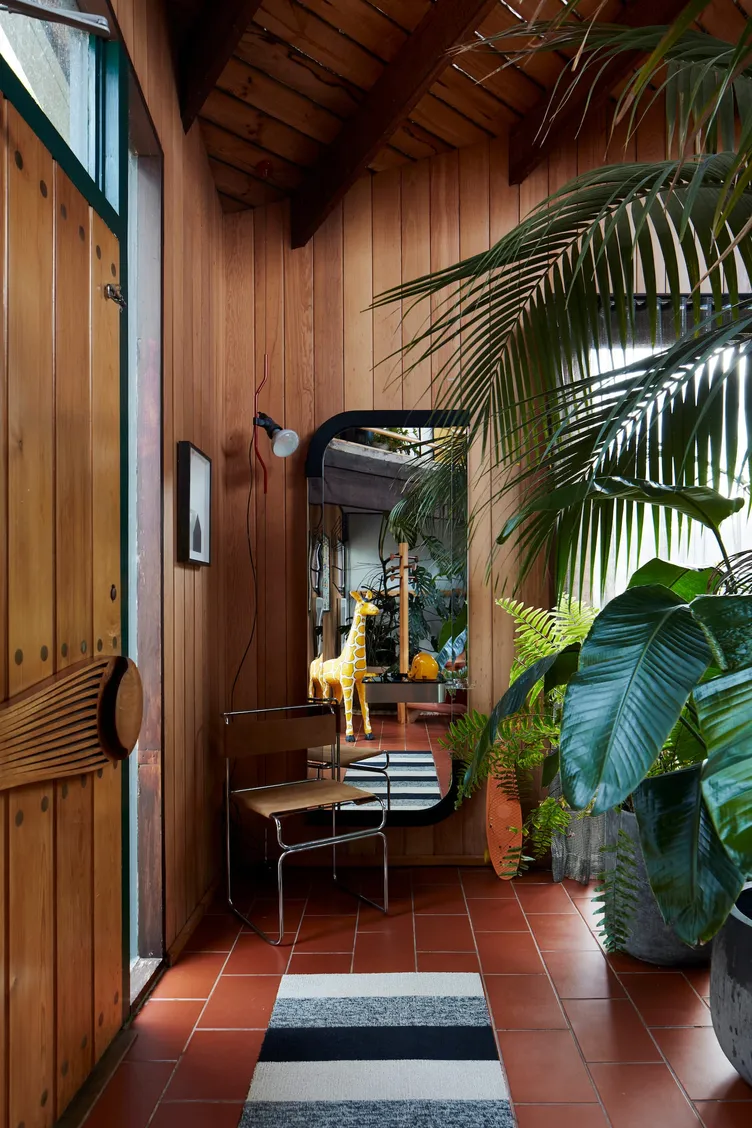
Rather than simply showcasing completed work, the feed brings together buildings, objects, furniture and images that Léo finds beautiful or interesting. Over time, this creates a visual representation of how the studio sees the world, and gives potential clients an immediate sense of its aesthetic.
But creating a feed with this level of intention is difficult when social media has to compete with the demands of running a busy design practice.
From chaotic to considered
Before Pallyy, Studio Terrando's social media workflow was largely manual: saving images across different devices, writing captions on the fly and posting whenever there was a spare moment.
That approach created a particular problem for a design studio. The Instagram grid itself was part of the creative work, so simply posting from a phone whenever something came to mind wasn't enough.
“The feed is a designed object for me; the grid has to work as a composition.”
With the demands of the studio always taking priority, social media tended to happen in the gaps. The biggest challenge wasn't actually creating content. It was all the work surrounding it: deciding what to post and when, maintaining a coherent grid and dealing with the constant mental interruption of remembering to post.
Studio Terrando wanted to approach content in the same way it approached other studio workflows: batch it, plan it, then leave it to run.
Designing the grid with Pallyy
After trying several platforms, Pallyy's visual-first approach stood out.
For Studio Terrando, the Instagram grid planner isn't simply a convenient way to preview upcoming posts. It's a creative tool that allows Léo to compose the feed before anything goes live.
“I can compose the feed the way I'd compose a wall of images, see the rhythm of it, move things until the sequence works.”
The grid planner and scheduling are now essential parts of the workflow, alongside first-comment scheduling for hashtags and drafts for batching captions.
That visual approach is particularly important for a design practice where the Instagram grid is itself part of the brand expression.
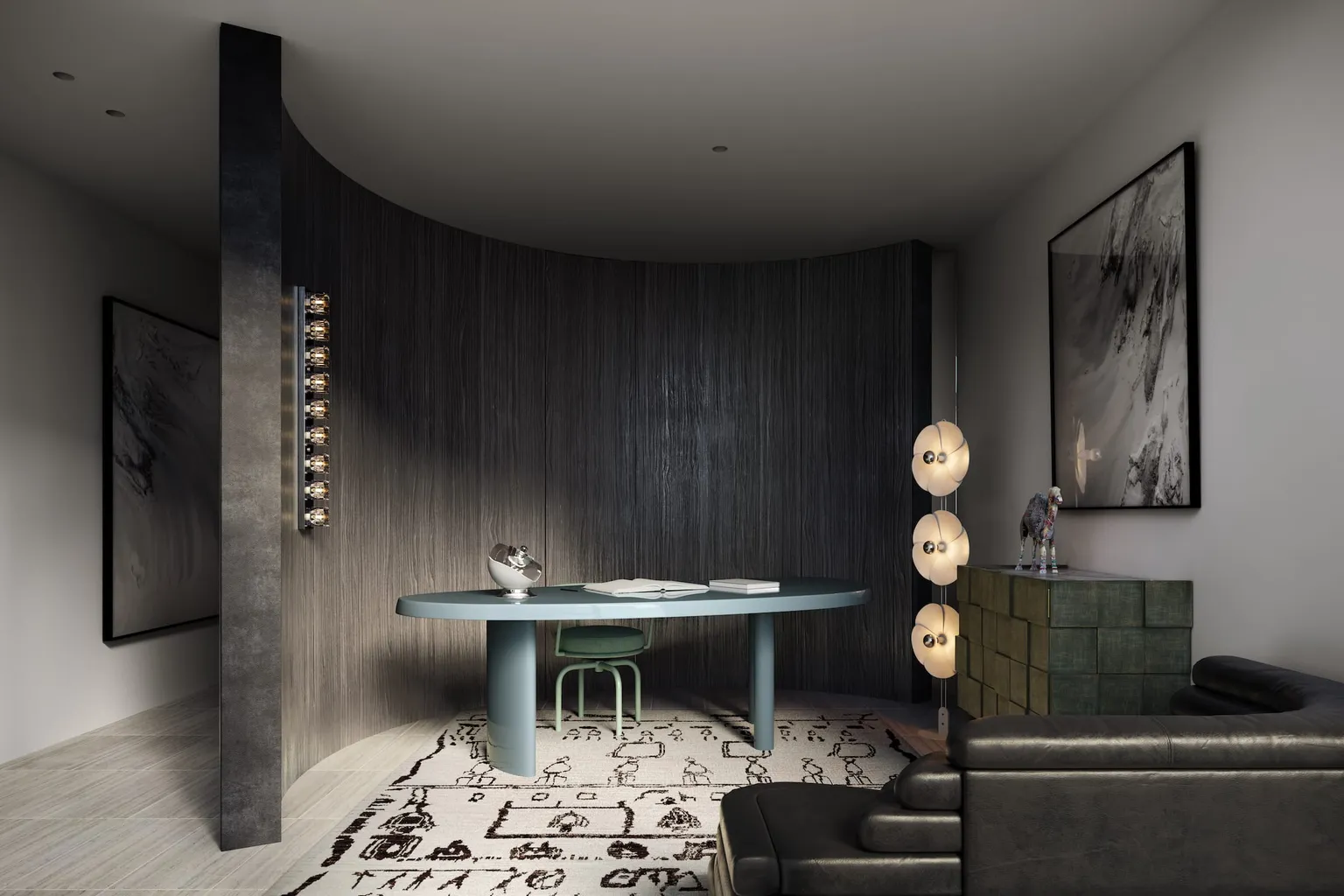
From daily interruption to weekly workflow
With Pallyy, social media is no longer something Studio Terrando has to think about every day.
Every week or two, Léo sits down for a dedicated content session, works through a batch of images and captions, arranges the grid and schedules the next fortnight. Then it's done.
“Content is now a session, not a daily interruption.”
While it's difficult to put an exact number on the time saved, the studio estimates Pallyy has given them back real hours every week. More importantly, it has removed the mental load of constantly having social media sitting in the back of their mind.
Consistency over volume
For Studio Terrando, the goal isn't to post as much as possible. It's to maintain a consistent presence that reflects the quality and point of view of the studio.
That consistency is already making a difference. The account has grown steadily, but the more meaningful result is who is following it: designers, hoteliers and potential clients.
The feed has even started appearing organically in new business conversations, with prospective clients mentioning it before the studio has shown them a single project. For a relationship-driven design business, that's a powerful outcome.
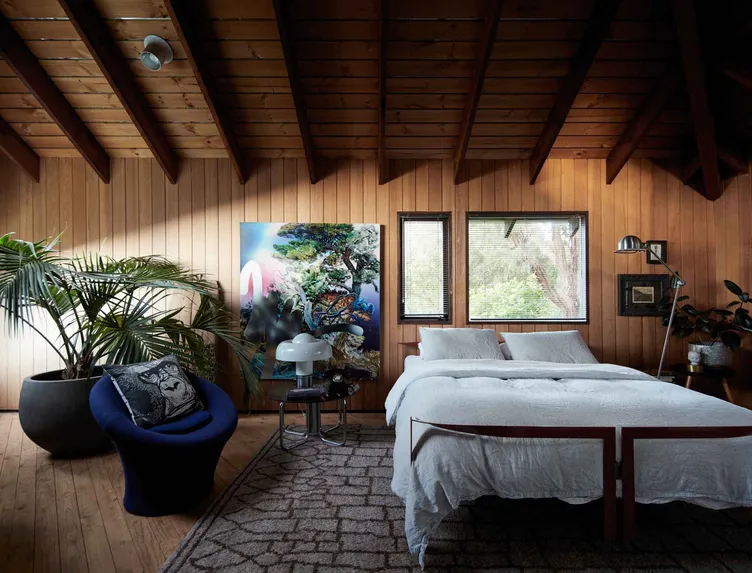
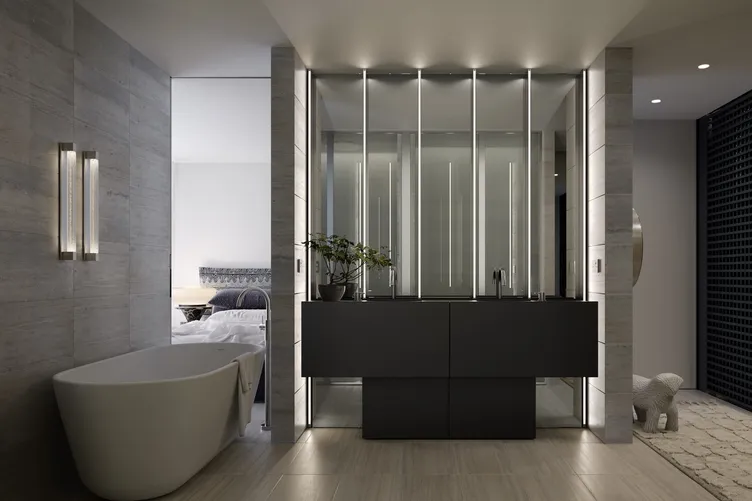
Plan it like you'd plan any designed thing
For Studio Terrando, the lesson is simple: if your social feed is part of how your business presents itself, it deserves the same thought and consideration as any other designed space.
“If your feed is part of how your business presents itself, especially anything visual, plan it like you'd plan any designed thing. Pallyy is the first tool I've used that treats the grid that way.”
The result: a more considered feed, a more consistent presence, and a social media workflow that fits around the studio, rather than interrupting it.
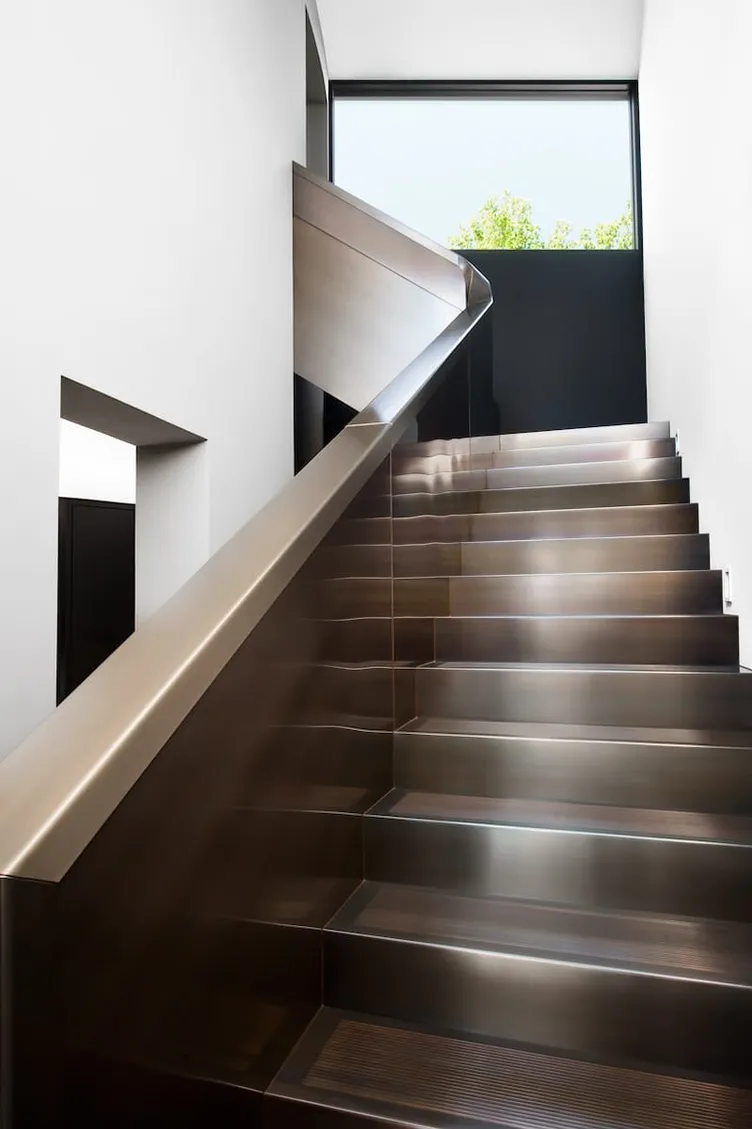
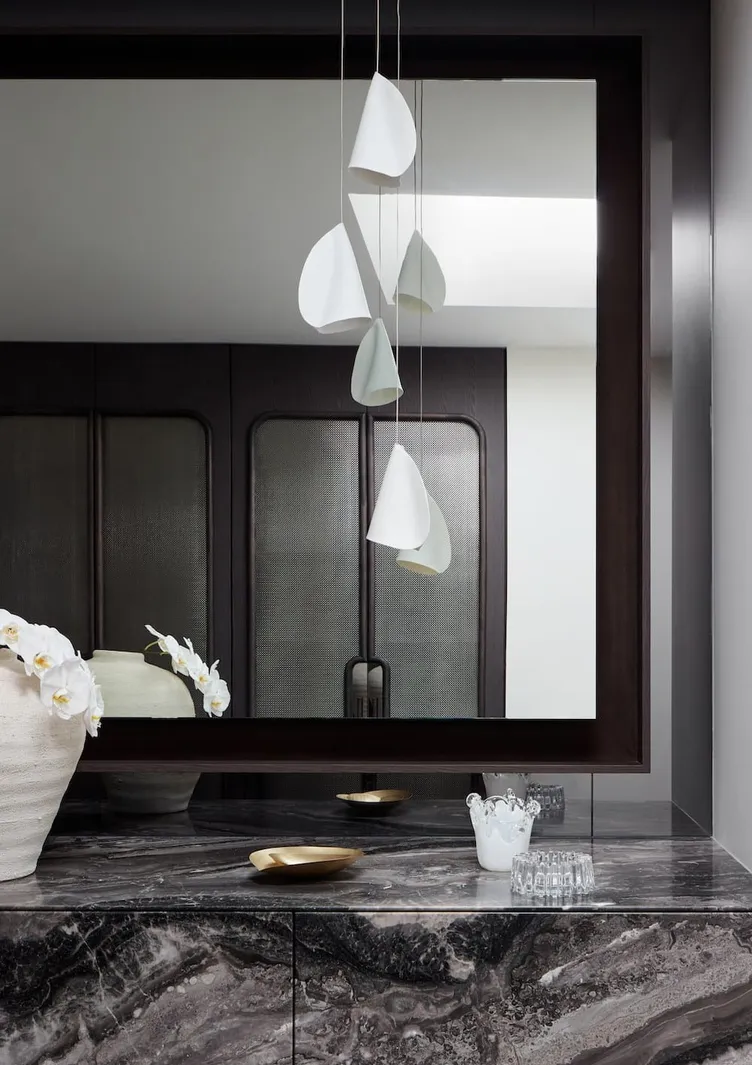
Photography courtesy of Studio Terrando.